
Nanoplastia Hair Treatment Side Effects: Is It Really Safe for Your Hair?

Janhavi Bhange
Author
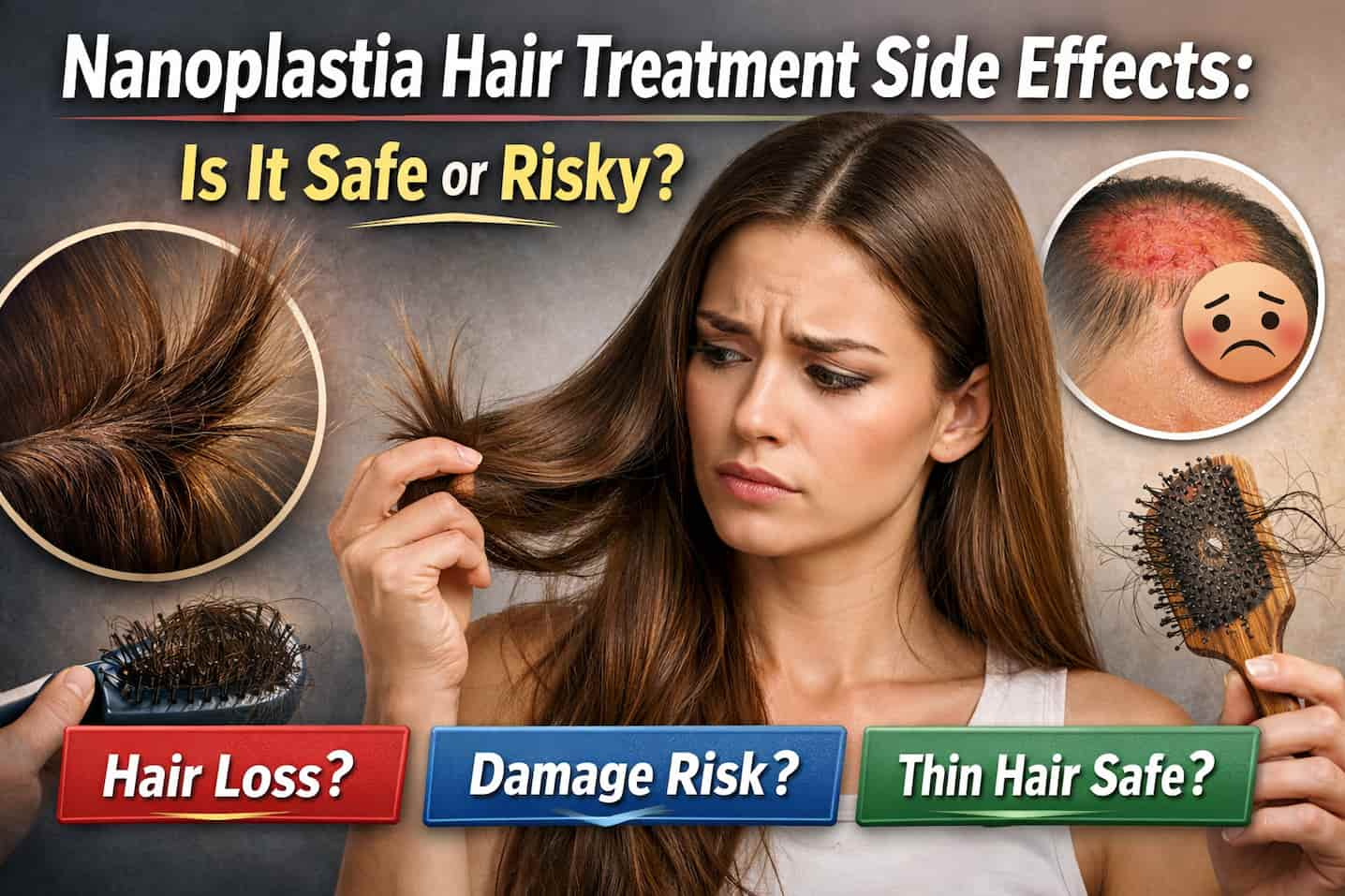
Nanoplastia is a trending hair treatment that promises smooth, straight, and frizz-free hair without the harsh chemicals often found in traditional treatments. But one of the most frequently asked questions is: “What are Nanoplastia hair treatment side effects?” Whether you’re considering it for your frizzy curls or thin, unruly strands, understanding its benefits, risks, and long-term effects is essential.
Table of Contents
This article dives deep into the pros and cons of Nanoplastia, its effect on different hair types, and precautions to keep your scalp and strands safe.
What Is Nanoplastia Hair Treatment?
Nanoplastia is a semi-permanent straightening treatment that uses amino acids and nano-particles to realign hair bonds, reduce frizz, and smoothen the hair shaft. It claims to be formaldehyde-free and less damaging than keratin or rebonding treatments.
But despite being marketed as natural and safe, there are some concerns regarding Nanoplastia hair treatment side effects, especially when applied repeatedly or on sensitive scalps.
Nanoplastia Hair Treatment Pros and Cons
Pros:
- Formaldehyde-free, safer than many chemical treatments
- Adds shine and smoothness
- Reduces frizz for up to 3–6 months
- Works on curly, frizzy, or dry hair
- Can be done on colored or bleached hair
Cons:
- Expensive compared to traditional smoothening
- May lead to hair thinning or breakage in some cases
- Requires heat sealing, which can weaken the strands
- Not suitable for extremely fine or damaged hair
- Long-term effects are not well-studied
Understanding the Nanoplastia hair treatment pros and cons helps weigh the benefits against potential risks.
Is Nanoplastia Good for Thin Hair?
This is a common concern, especially among people with naturally fine strands. While Nanoplastia is gentler than keratin treatments, its intense heat sealing process and the restructuring effect may cause hair to appear flatter or thinner.
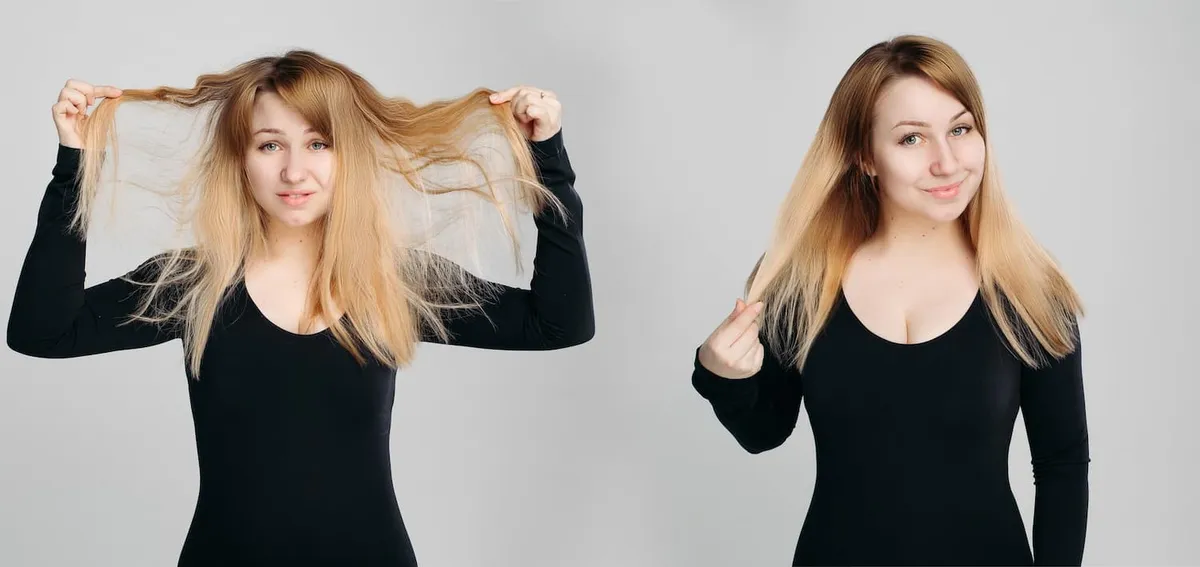
So, is Nanoplastia good for thin hair? It depends. If your hair is already fragile or lacks volume, the treatment could make it appear even more limp. Always consult a hair expert before deciding.
Can Nanoplasty Damage Your Hair?
Although it’s marketed as safe, repeated treatments or poor application can harm your strands. Some clients have reported issues like.
- Breakage near roots
- Increased dryness
- Hair fall after nanoplastia treatment
These are among the most concerning Nanoplastia hair treatment side effects. Hair loss may occur due to scalp sensitivity, excessive flat ironing, or use of unsuitable post-care products.
If you're experiencing unexpected hair fall, breakage, or scalp irritation post-treatment, it's best to consult a specialist.
Many dermatologists and trichologists offer online consultations to help assess whether the treatment is the cause and how to reverse damage or inflammation safely.
Nanoplastia Hair Treatment Side Effects on Face and Skin
In rare cases, users report breakouts along the hairline or forehead post-treatment. This could be due to:
- Product residue not being washed out properly
- Pore-clogging ingredients spreading during sleep
- Excess heat irritating sensitive skin
These Nanoplastia hair treatment side effects on face are uncommon but possible especially for those with acne-prone or sensitive skin.
Nanoplastia Hair Treatment: Aftercare and Maintenance
To keep your results long-lasting and safe.
What to Avoid After Nanoplasty
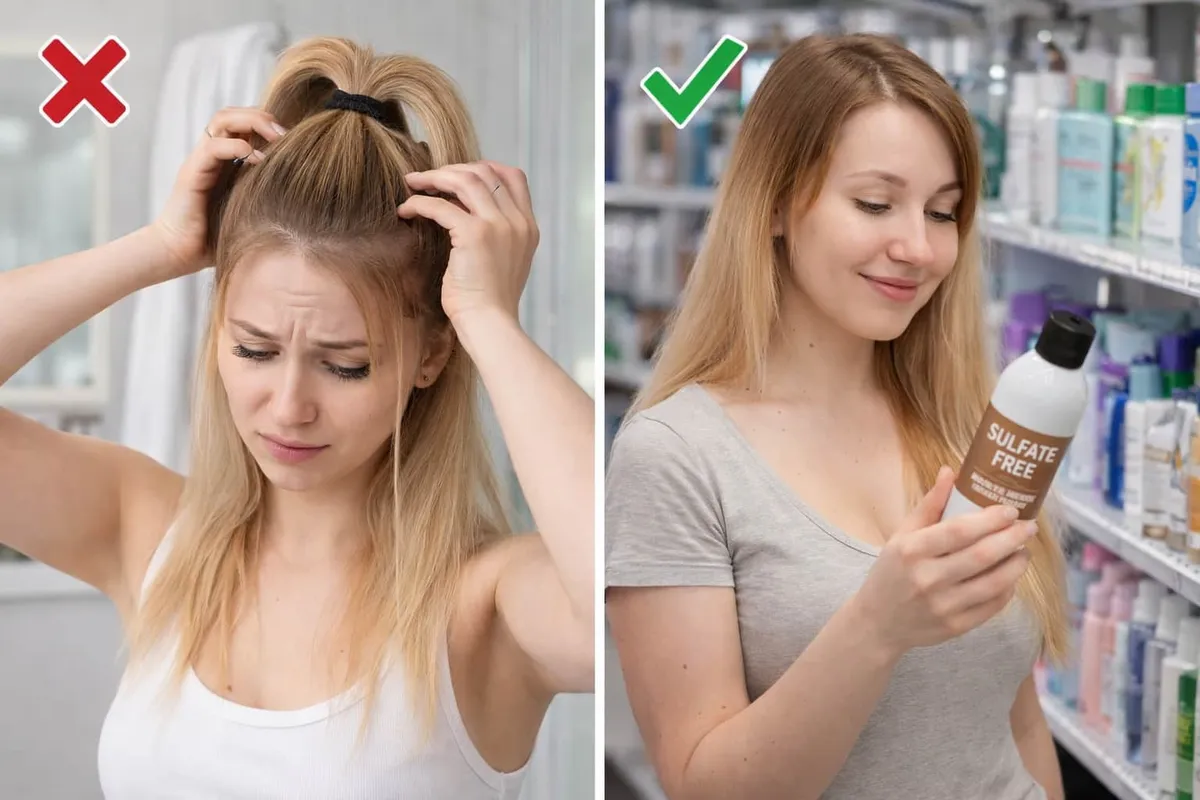
- Don’t tie your hair tightly for the first 2 days
- Avoid washing hair for 48–72 hours post-treatment
- Skip products with sulfates or alcohol
- Avoid excessive oiling during the first week
Wondering can I oil my hair after Nanoplastia? Yes but only after the first week and use light, non-sticky oils in moderation to avoid buildup.
Which Shampoo Is Best After Nanoplastia?
- Use sulfate-free and paraben-free shampoos
- Mild herbal or amino-acid-based products work well
- Avoid clarifying shampoos that can strip the treatment
Nanoplastia Hair Treatment: Duration and Comparison
- Nanoplastia hair treatment how long does it last?: Usually 3 to 6 months depending on hair type and aftercare.
- Nanoplastia hair treatment vs Botox: Botox focuses on hair nourishment and shine, while Nanoplastia straightens and smooths. Botox doesn’t last as long and doesn’t change hair texture as significantly.
- Nanoplastia hair treatment benefits : include reduced frizz, shine enhancement, and easier manageability but it may not suit everyone.
- Does Nanoplastia reduce hair volume?: Yes, it may temporarily flatten the hair, especially if your natural hair is curly or voluminous.
- Can I straighten my hair after Nanoplastia?: Yes, but it’s usually not needed. If you do, use low heat settings and heat protection.
- Does Nanoplastia increase hair growth?: No clinical evidence supports this. It improves appearance, not follicle activity.
Still Confused About Nanoplastia? Here Are the Answers You Need
Is Nanoplastia hair treatment good or bad?
It’s good for certain hair types and with proper care. However, it can cause side effects in sensitive scalps or thin hair.
Nanoplastia hair treatment side effects hair loss – is it true?
Hair loss is possible if the treatment is overused or poorly done, or if the scalp reacts negatively to heat.
Which dry shampoo is best after Nanoplastia?
Opt for sulfate-free and alcohol-free options made for chemically treated hair.
Can Nanoplastia damage colored hair?
If done correctly, it’s safer than other treatments. However, heat and ingredients can still cause dryness over time.
Nanoplastia hair treatment side effects long term – should I be concerned?
Repeating something over and over can dry out, build up, or weaken the strands. Use masks that are good for you in between treatments.
Nanoplastia hair treatment is good for thin hair – myth or fact?
It relies on. If your hair is very thin or brittle, the heat and sealing process might hurt it more than help it.
Which is better: Hair smoothening or Nanoplastia?
Most people think that nanoplastia is safer and more natural, but smoothening lasts longer and gives you a more defined straighter look.
Recommended Reads for Better Health & Wellness

Janhavi Bhange
Health Content Specialist | Bsc Biotechnology
Janhavi Bhange is a health writer with a BSC in Biotechnology and over five years of experience creating accurate, research-backed wellness content. She uses her scientific training to simplify medical topics into clear, trustworthy and reader-friendly guidance that supports confident health decisions.

Dr. Pranjal Joshi
Dermatologist, Medeor Hospital
Dr. Pranjal Joshi is an internationally trained Clinical and Cosmetic Dermatologist with expertise in a broad spectrum of skin and hair treatments. He specializes in dermatology, aesthetic procedures, laser therapies, dermatosurgery, and hair transplants and is known for his advanced techniques and patient-centric approach.