
High Blood Pressure Treatment in Ayurveda | Control BP Naturally Without Side Effects

Janhavi Bhange
Author
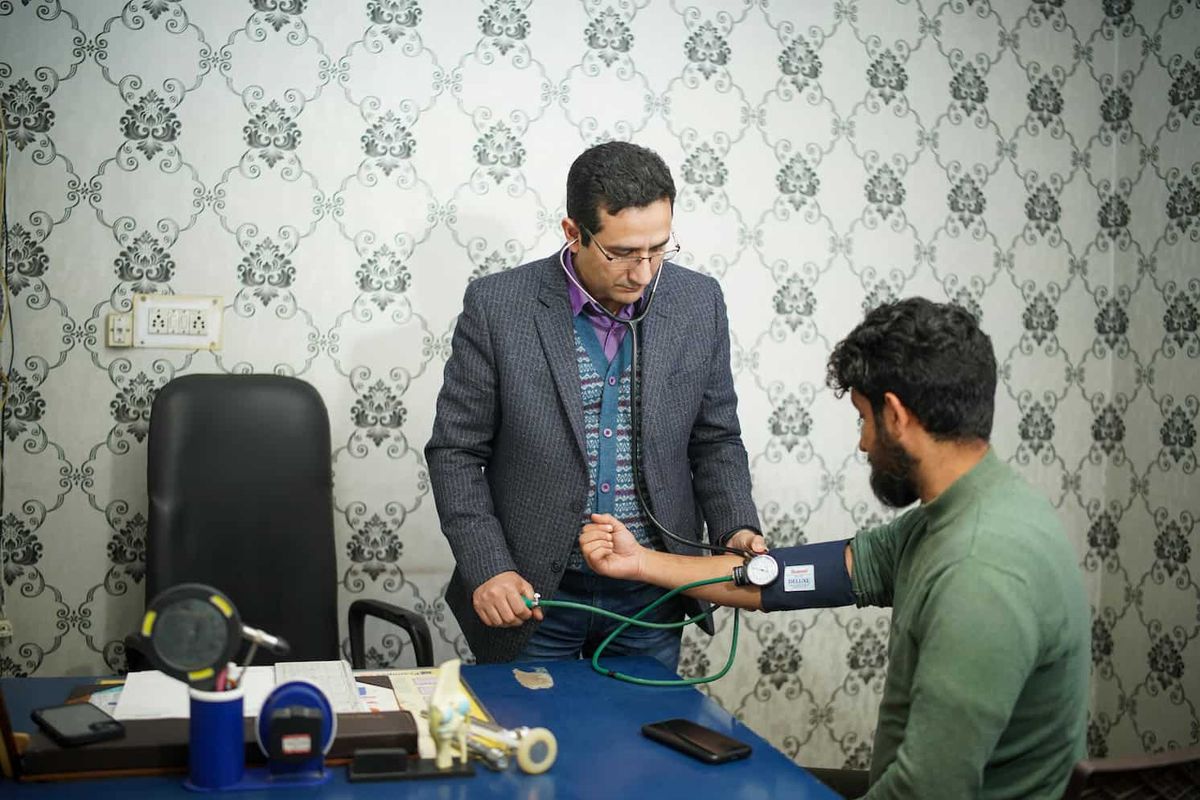
High blood pressure or hypertension, is often called the “silent killer” because it may show no symptoms until it causes major health problems. While modern medicine offers immediate relief, many people today are turning to high blood pressure treatment in Ayurveda for a long-term, natural and side-effect-free approach.
Table of Contents
Ayurveda, the 5,000-year-old Indian system of medicine, believes that high blood pressure is often a result of an imbalance in the body's doshas particularly Pitta and Vata. Ayurvedic treatment focuses on restoring this balance using herbs, diet, lifestyle changes and stress management.
Understanding High Blood Pressure in Ayurveda
What Ayurveda Says About High Blood Pressure
- Pitta imbalance can cause excessive heat and inflammation, increasing blood pressure.
- Vata aggravation can lead to stress, anxiety and irregular blood circulation.
Symptoms of high BP
- Headaches
- Dizziness
- Irritability
- Nosebleeds
- Fatigue
Rather than suppressing symptoms, Ayurveda aims to identify the root cause and bring long-term balance.
Ayurvedic Home Remedies for High Blood Pressure
Looking for Ayurvedic home remedies for high blood pressure? Here are some commonly recommended ones.
- Ashwagandha: Calms the nervous system and reduces cortisol (stress hormone).
- Brahmi: Supports mental clarity and reduces anxiety.
- Arjuna bark: Strengthens the heart and improves blood circulation.
- Garlic (Lahsun): Known for its blood-thinning and pressure-lowering properties.
- Triphala: Helps cleanse the digestive system and improve nutrient absorption.
Many people ask, "Can garlic reduce blood pressure?" The answer is yes garlic contains allicin, which helps dilate blood vessels, improving blood flow and reducing pressure.
Best Ayurvedic Medicine for High Blood Pressure
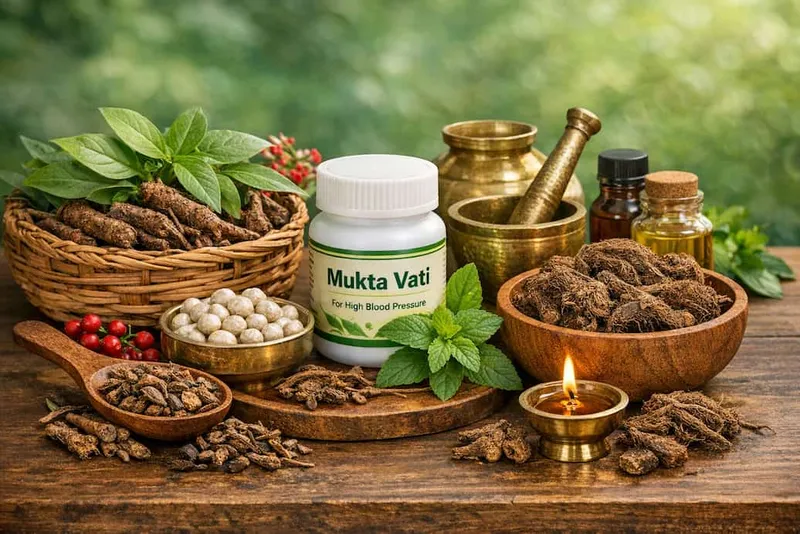
When home remedies are not enough, practitioners may prescribe the best Ayurvedic medicine for high blood pressure, which may include.
- Sarpagandha (Rauwolfia serpentina): A potent herb traditionally used to lower BP
- Mukta Vati: A classical formulation widely used for stress-induced hypertension
- Jatamansi: Acts as a natural sedative, helpful for calming the mind
Important: These should be taken under the supervision of a certified Ayurvedic doctor to avoid drug interactions or side effects.
Diet and Lifestyle Recommendations for High Blood Pressure in Ayurveda
A holistic approach to high blood pressure treatment in Ayurveda includes changes in daily diet and lifestyle. One common question people ask is, "Which food is not good for high blood pressure?"
Foods to Avoid in High Blood Pressure
- Excess salt (pickles, packaged snacks)
- Fermented foods (vinegar, curd in excess)
- Caffeine and alcohol
- Fried, spicy and oily dishes
Which Fruit Is Not Good for BP?
Bananas and mangoes in excess can aggravate Kapha and Pitta, so they should be eaten in moderation if advised.
Which Fruit Is Best to Control High Blood Pressure?
Pomegranate, guava and amla are rich in antioxidants and potassium and help regulate BP.
7-Day Diet Plan for High Blood Pressure
| Day | Morning | Lunch | Dinner |
|---|---|---|---|
| Mon | Soaked almonds + warm water | Rice + moong dal + bottle gourd | Millet roti + spinach |
| Tue | Amla juice + herbal tea | Brown rice + okra curry | Khichdi + beetroot raita |
| Wed | Warm lemon water | Quinoa + cucumber salad | Mung dal soup + steamed veg |
| Thu | Soaked raisins + fennel water | Barley roti + pumpkin sabzi | Oats porridge |
| Fri | Pomegranate juice | Bajra khichdi + curd | Lentil soup + sautéed beans |
| Sat | Ginger-tulsi tea | Broken wheat upma | Vegetable stew + rice |
| Sun | Warm triphala water | Rice + karela curry | Light dal + cabbage thoran |
This 7-day diet plan for high blood pressure emphasizes low-sodium, high-fiber and nutrient-dense foods.
When Should You See a Doctor for High Blood Pressure?

Sometimes despite making changes, BP may stay consistently high. Symptoms like frequent headaches, blurred vision or restlessness may indicate poor control.
If your blood pressure readings don’t stabilize even after lifestyle changes, it’s time to consult a cardiologist. They can diagnose the root cause of hypertension and guide you with a personalized treatment plan for better heart health.
Exercise and Movement in Ayurveda for High Blood Pressure Control
Physical activity plays a key role in managing blood pressure.
Which exercise is best for high blood pressure?
- Brisk walking
- Pranayama (breathing exercises)
- Yoga asanas like Shavasana, Vajrasana and Setu Bandhasana
Which exercise is not good for high blood pressure?
- Heavy weight lifting
- High-intensity interval training (HIIT) without supervision
- Inversions like headstands (may spike BP)
Consistency matters more than intensity. Mild, daily movement is preferred.
What Is the Fastest Remedy for High Blood Pressure?
While Ayurveda focuses on long-term balance, for temporary relief.
- Drink coriander or hibiscus tea
- Take a few minutes to practice deep breathing
- Apply Brahmi oil on the scalp to relax the mind
What Is the Best Drink for High Blood Pressure?
- Coconut water: A lot of potassium
- Amla juice: Good for your heart
- Hibiscus tea: Lowers high blood pressure naturally
- Jeera (cumin) water: Cleanses the body and makes digestion better

Important Questions About BP Control
What is the best herbal for high blood pressure?
Sarpagandha and Arjuna are used most of the time, but you should only take them with the help of a doctor.
Which drink is best for high BP?
Hibiscus tea and coconut water can help keep your blood pressure and fluid balance in check.
Is it okay to walk if I have high BP?
Yes. One of the best and safest workouts for high blood pressure is walking.
Can stress alone cause high blood pressure?
Yes. Over time, high levels of cortisol and adrenaline can raise blood pressure.
Your Next Step to Better Health Starts Here

Janhavi Bhange
Health Content Specialist | Bsc Biotechnology
Janhavi Bhange is a health writer with a BSC in Biotechnology and over five years of experience creating accurate, research-backed wellness content. She uses her scientific training to simplify medical topics into clear, trustworthy and reader-friendly guidance that supports confident health decisions.

Dr. Sanjeev Agarwal
Cardiologist
Dr. Sanjeev Agarwal is a highly experienced Cardiologist with over 26+ years of expertise. He practices at The Heart Centre in Rohini, Delhi. Dr. Agarwal completed his MBBS, MD in General Medicine, and DM in Cardiology from Maulana Azad Medical College and GB Pant Hospital, New Delhi.